
American Music: Why Independent Live Music Venues Matter More Than Ever
The Heartbeat of American Music:
Why Independent Live Music Venues Matter More Than Ever
From intimate clubs in New York to grassroots stages in Nashville, America's independent live music scene is one of the country's greatest cultural assets. But behind the energy, creativity and unforgettable performances lies an industry facing some very real challenges.
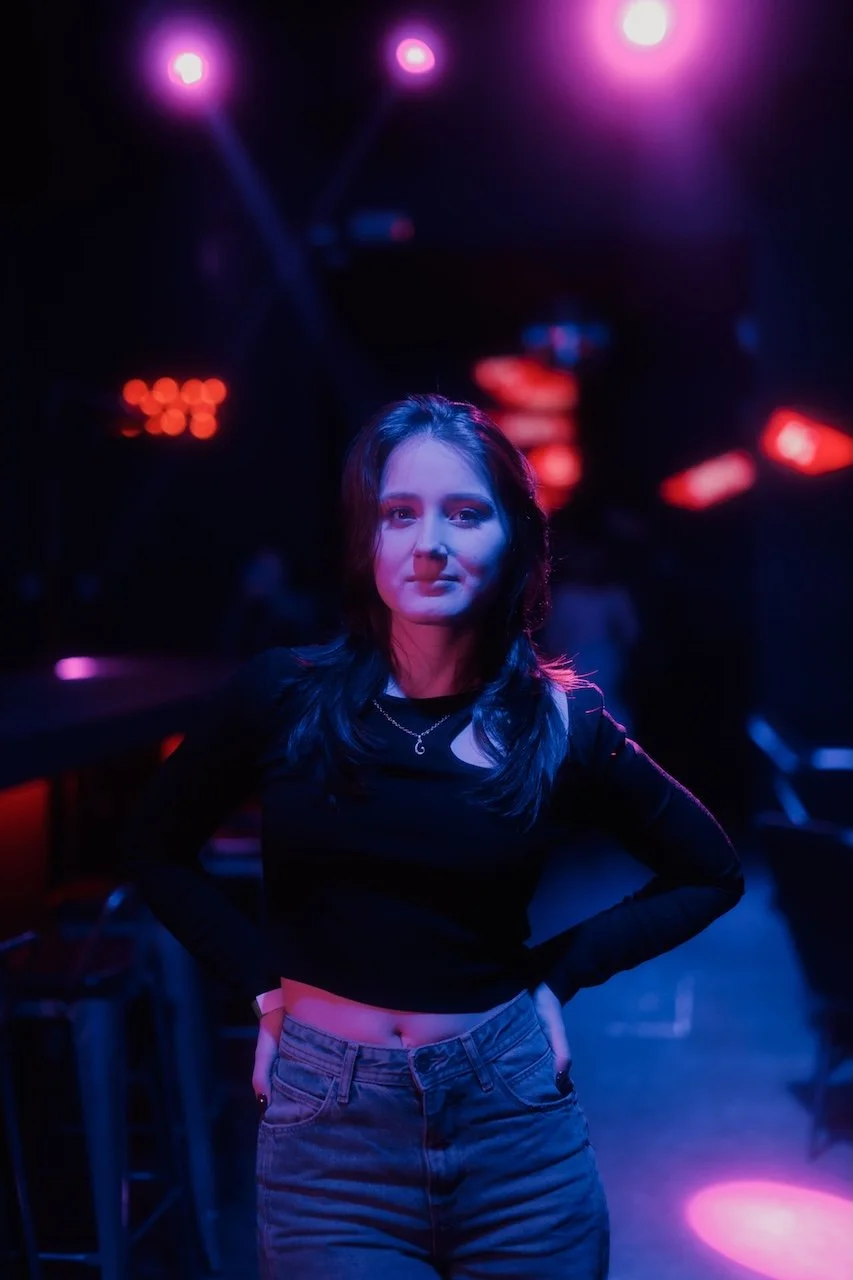
There's something special about walking into a small live music venue.
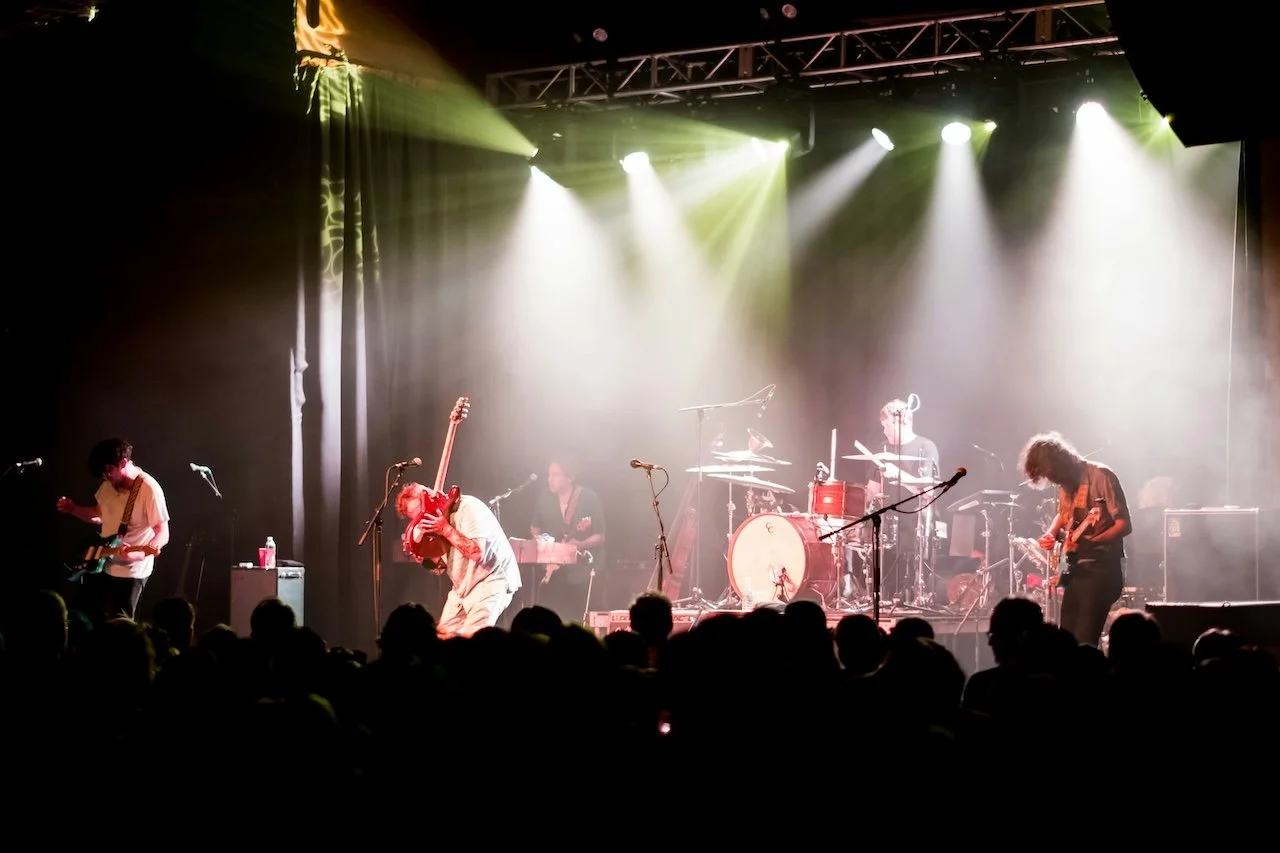
The anticipation before the band takes the stage. The energy of a crowd standing just a few feet from the performers. The feeling that you might be witnessing something extraordinary before the rest of the world discovers it.
Across the United States, thousands of independent venues create these experiences every night.
They're the places where careers begin, communities connect and musical movements are born.
And while the world's biggest artists fill stadiums and arenas, it's often the smallest venues that provide the foundations on which the entire live music industry is built.
An Industry with an Extraordinary Economic Impact
The importance of independent live music extends far beyond entertainment.
In June 2025, the National Independent Venue Association (NIVA) published its landmark State of Live report, revealing the extraordinary contribution of America's independent live entertainment sector.
The research, covering independent venues, festivals and promoters, found that in 2024:
$153.1 billion in total economic output was generated across the United States.
$86.2 billion was contributed to U.S. GDP.
908,000 jobs were supported nationwide.
183.7 million fans attended independent live entertainment events.
$51.7 billion was paid in wages and benefits.
These are remarkable figures for an industry often associated with small businesses, modest venues and independent operators.
They demonstrate that grassroots live entertainment isn't simply a cultural luxury. It's a significant contributor to the American economy.
And its impact extends well beyond the venues themselves, supporting restaurants, bars, hotels, transport providers and countless local businesses.
The Places Where Music Careers Begin
Think about the artists who have shaped American music over the decades.
Long before the stadium tours, global recognition and millions of streams, many were performing in small clubs, local bars and independent music spaces.
From the punk and alternative scenes of New York and Seattle to the country and Americana communities of Nashville, the blues clubs of Chicago and the thriving independent scenes of Austin, Los Angeles and New Orleans, these venues have helped define America's musical identity.
They provide something that can't easily be replicated by a major arena or a streaming platform.
The opportunity for emerging artists to perform, experiment, develop their audiences and build genuine connections with fans.
Independent venues are also vital to musical diversity.
They're often prepared to take chances on unfamiliar artists, emerging genres and experimental performances that might not fit the commercial requirements of larger entertainment businesses.
Without these spaces, the pipeline of emerging talent becomes weaker — and the wider music industry risks losing some of its creativity and originality.
A Thriving Culture, but a Challenging Business
Despite the enormous cultural and economic value of independent live music, the financial picture is considerably more challenging.
Perhaps the most concerning finding from NIVA's research was that 64% of independent stages were not profitable in 2024.
That's a striking statistic.
An industry capable of generating billions in economic activity, supporting hundreds of thousands of jobs and attracting millions of fans is simultaneously struggling to sustain many of the businesses that make it possible.
The pressures are significant.
Rising property costs, energy bills, insurance, staffing expenses and artist fees are all squeezing already tight operating margins.
Competition from larger entertainment operators and concerns around ticketing practices add further complexity.
And unlike major concert promoters or arena operators, independent venues rarely have access to substantial financial reserves or diversified revenue streams.
For many operators, the difference between a successful year and a difficult one can come down to a relatively small number of performances.
It's a fragile commercial model supporting an incredibly valuable cultural ecosystem.
More Than Music: The Importance of Community
What makes independent venues particularly special is their relationship with the communities they serve.
They're not interchangeable spaces.
Each has its own identity, atmosphere, history and audience.
The independent venue in Brooklyn feels different from the neighbourhood music club in Chicago, the intimate Nashville songwriter venue or the alternative music space in Portland.
And that's precisely their strength.
These are places where people develop a sense of belonging, where friendships are formed and where local culture comes to life.
In an increasingly digital world, where so much entertainment is experienced through personal screens, live music offers something wonderfully authentic.
A shared experience, happening in real time, that simply cannot be recreated online.
That connection has value — not only to fans and artists, but to the cities and communities that benefit from having vibrant independent music scenes.
Creating a More Sustainable Future
If independent live music is to thrive over the coming decades, the industry needs more than recognition of its cultural importance.
It needs sustainable commercial solutions.
Protecting independent venues will require collaboration between venue operators, artists, fans, industry associations, policymakers and commercial partners.
It also means exploring new revenue opportunities that complement the live music experience without compromising the character and authenticity that make these venues special.
Technology, strategic partnerships, sponsorship and innovative advertising models all have a potential role to play.
The challenge is ensuring that any commercial development works for the venues themselves, rather than simply treating them as another place to reach consumers.
The most successful partnerships should strengthen the independent music ecosystem, not dilute it.
Why We Believe in the Future of Independent Live Music
At Rockbox USA, we have enormous respect for the independent live music community.
With 30 years of experience in the live music industry behind Rockbox, we understand the passion, creativity and commitment that make these venues so important.
It's also why we're developing a new nationwide Digital Out of Home advertising network specifically for America's independent live music venues.
Our ambition is to establish a network of 500 digital screens across 165 venues in 20 U.S. cities, creating new opportunities for brands to connect with live music audiences while opening up an additional commercial revenue opportunity for participating venues.
We believe there's a genuine opportunity to bring together the worlds of music, advertising and technology in a way that creates value for everyone involved.
But the bigger picture is about something much more important than advertising.
It's about supporting an industry that deserves to succeed.
Keeping the Music Alive
The American live music industry is rightly celebrated for its superstar performers, iconic festivals and spectacular arena productions.
But behind all of that sits a network of independent venues that continues to nurture talent, support communities and bring people together through music.
Their contribution is enormous. Their commercial challenges are real. And their future matters.
Because the next great American artist probably won't start their career performing in a stadium.
They'll start on a small stage, in an independent venue, in front of an audience that might be hearing them for the very first time.
And that's something worth protecting.
Rockbox USA — Connecting Brands with Live Music. is will be a future article on our audiences.